


There is a very specific moment in almost every hospitality project I see, where you can feel the future mess arriving, and it usually starts when people begin the project in the wrong order.
We look for a logo before the model is clear. We talk about interiors before understanding the guest journey (this one is included in the starter pack). Opening Instagram before knowing what we really want to say. We all discover operations after signing the lease. And we all start teasing the place before we know what promise we are making.
And then, six months later, everyone is surprised that the project feels chaotic.
There is something very seductive about jumping straight into the visible parts. The name, the design, the moodboard, the furniture, the playlist nobody asked for but that somehow feels urgent at 11:43pm.
It feels like progress. And sometimes it is.
Very often, this is what I call anxiety that owns a Pinterest account.
Hospitality projects need creativity, of course. They need taste, instinct, emotion, obsession, a bit of irrational faith, and someone in the room who cares way too much about the smell of the room 46.
But they also need sequence. And believe me, the order matters.
Because if you define the identity before the model, you risk branding a fantasy. If you design the space before the experience, you risk building a beautiful room that doesn’t know how to behave. If you hire before the culture is clear, you ask people to carry something nobody has named yet. And if you launch before the operations are ready, the first guests become your beta test, which is charming until they pay full price.
So this week, I wanted to talk about the timeline nobody really respects.
Not the perfect timeline, because hospitality has a very special talent for destroying perfect timelines. But more like the right order of attention.
1 —> What should be solved first.
2 —> What should not be rushed.
3 —> What founders always underestimate.
And why opening a place is not one big sprint to the launch day, but a sequence of decisions that either protect the project or quietly weaken it before the door even opens.
Since we are just you and I here, let’s be honest.
Every hospitality project has delays. If someone tells you their project opened exactly on time, exactly on budget, with no tension, no supplier issue, no last-minute surprise, and no moment where the founder stared silently at a wall wondering if the wall was now personally against them, they are either lying or they haven’t opened yet.
Fucking delays are part of the game.
When the project starts in the wrong order, everything becomes heavier.
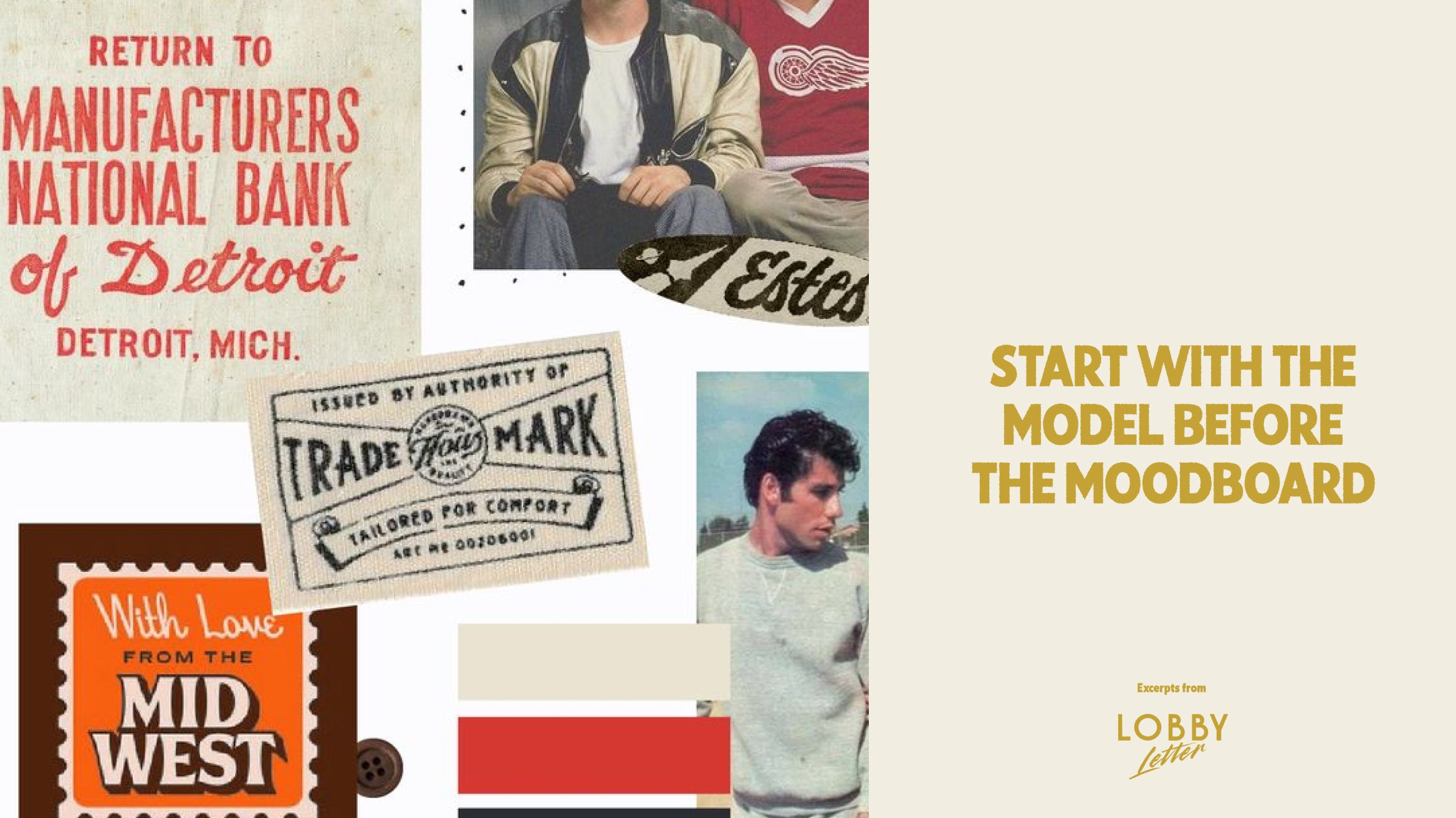
Start with the model before the moodboard
This is the first mistake.
A lot of founders start with the feeling of the place before understanding the mechanics of it.
I understand why. The feeling is the exciting part. You can picture the room, the music and the whole project you have in mind since you pitched it to your best bud.
But the model has to come first. And not because spreadsheets are more important than soul. They are not. But because the soul needs a business model to survive.
Before designing the place, you need to understand what kind of machine you are building. Is it a lunch-driven restaurant? A dinner destination? A coffee shop with retail? A hotel with locals feeding the ground floor? A workspace with hospitality layers? A seasonal house with high ADR but strong operational pressure? A place that depends on events? A place that depends on regulars?
These kind of differences change everything
A 35-seat café built for morning rhythm is not designed like a slow lunch spot. A boutique hotel that needs locals in the restaurant is not operated like a closed guest-only property and a furniture showroom with a coffee counter, like Frank’s Market, is not just retail plus coffee. It has two rhythms living in the same room. People may come for a cappuccino and leave with a chair. Or come for a chair and stay for a coffee. That needs to be thought through before the counter is built, not discovered when someone is blocking the entrance with a flat white and a side table.
Same with a project like Land for Land or Autofficina. If you are building houses around hospitality, sport, design, car culture, landscape or community, the model is not just nice house, nice photos, nice booking link. You need to know what people are really buying. A weekend? A way of life? A ritual? A territory? A story they want to belong to for a few days? The answer changes the offer, the services, the pricing, the content, the partnerships, even the kind of towels you buy, which is annoying but somehow always true.
The early phase should be How does it work? and not what does it look like?
A few questions I now have to challenge every new ideas (you can copy and paste them somewhere)
What are the revenue streams?
What is the guest behavior?
What is the average ticket or ADR?
What makes people return?
What kills the margin?
What does the founder need to be involved in?
What can scale?
What should never scale?
What does a bad month look like?
What does the place need to be true about itself to survive?
Once that is clear, the moodboard becomes useful.
Before that, my dad would call it, the expensive dreaming Kev.
Build the experience before the brand expression
This one can sound strange coming from someone who works on brand identity.
But I mean it.
A brand should not arrive before the experience is understood.
A logo is not a compass. A tagline is not a guest journey. A tone of voice is not a service sequence. You can create a beautiful identity for a place that nobody knows how to use. It will look good in the deck and then struggle in real life, which is a very modern way to suffer.
The right order is simple.
First, understand the experience.
What happens before people arrive? How do they hear about the place? What do they expect? What do they see first? How are they welcomed? Where do they stand? Do they understand what to do without feeling stupid? What is the first emotional signal? What do they touch, smell, hear, taste? What happens after twenty minutes? After two hours? What makes them return? What do they tell someone else?
Then build the brand expression around that.
Not before.
A concrete example: if you are creating a hotel lobby that should also work as a workspace, start with behavior. I mean:
Who sits there at 9am?
Who sits there at 4pm?
Can locals enter without feeling like they are trespassing?
Where does coffee come from?
Is there table service?
How long can someone stay?
How does the team explain the space?
What is allowed? etc etc… (the rest of the questions are available at LOBBY Studio ah!
That’s why I always push founders to define the invisible decisions early.
Give operations and people more time than you think
This is probably the part most founders underestimate.
They spend months on concept, design, finance, works, and identity. Then suddenly the opening is close and someone drops the We need to hire.
Beautiful timing.
The place is almost ready, the pressure is high, the founder is tired, the budget is tense, and now the team is supposed to magically understand the culture, the standards, the service, the offer, the rhythm, the values, the emotional temperature of the room, and where the extra toilet paper lives.
That’s not onboarding.
In hospitality, people need time to absorb the place before they can carry it.
Your first team is your first culture (we talked about it in a past letter). But culture can’t be installed in one briefing and a shared Notion called “brand values final final v3.”
People need to walk the room. Taste the food. Understand the guest. Repeat the welcome. Make mistakes before guests pay. Know what matters and what is just founder vision, because sometimes there is a difference. Not always, but sometimes.
And operations need the same respect.
A realistic hospitality timeline
If I had to simplify I’d think about it like this.
12 months before opening, or as early as possible, the real work should be:
- the model, positioning, business case, guest, financing story, and the big promise of the place.
- What are we building?
- Why here?
- For whom?
- How does it make money?
- Why will people return?
9 months before opening, the concept and experience should start becoming clear. The guest journey, the service principles, the offer, the spatial intentions, the role of F&B, retail, rooms, workspace, events or whatever layers are inside the project. This is where design should be fed by behavior.
6 months before opening, the brand identity, interior details, operational systems, supplier logic, hiring plan, communication strategy and pre-opening story should all start connecting. This is where the project stops being a nice idea and becomes a machine.
3 months before opening, the team, operations, training, content, launch sequence, partnerships, pricing, menus, tools, booking flow, signage and soft opening plan need to become very real. If everything still lives in the founder’s head at this stage, good luck and maybe add more coffee.
1 month before opening, the goal is no longer dreaming. It’s testing. Test the service. Test the first fifteen minutes. Test the payment system. Test the music. Test the menu. Test what happens when three people arrive at the same time and someone asks a question nobody prepared for. This is where you want to break things privately before guests do it publicly.
And after opening, please don’t disappear into celebration. The first ninety days are not a victory lap. Make sure they are dedicated to observation.
- What do people understand?
- What do they use differently than expected?
- Who comes back?
- What creates friction?
- What needs to be cut?
- What needs to be repeated?
- What was theory and what is now truth?
That’s the timeline.
Questions for founders and owners
Before starting or relaunching a hospitality project, ask yourself a few honest questions.
Are we designing the place before we understand the model?
Do we know how this project makes money, or are we hoping the vibe will do some heavy lifting?
Can we explain the promise of the place in one clear sentence without sounding like we are pitching a concept to people trapped in a meeting room?
Have we mapped the guest journey from discovery to return, or are we just designing the room?
Does the brand express the experience, or is it trying to compensate for the lack of one?
Do we know what needs to happen in the first fifteen minutes of the guest experience?
Are operations being designed early enough, or are we treating them like something we’ll figure out later, which is usually founder language for future pain?
Have we hired early enough for people to absorb the culture before opening?
Do we know what has to be tested before the public arrives?
What are we doing too early because it feels exciting?
What are we doing too late because it feels boring?
That last one is my favorite and it works all the time :)
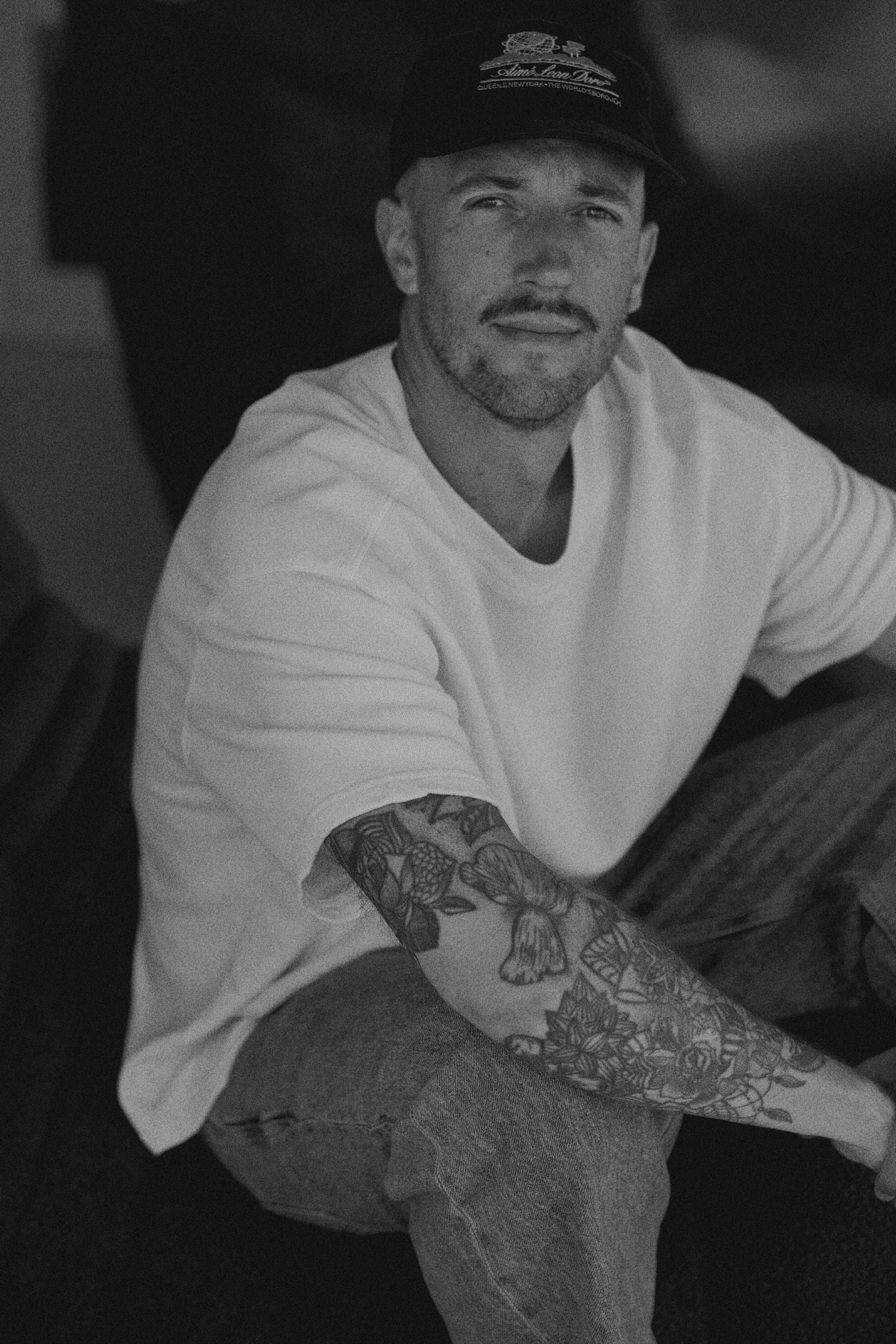
I’m Kevin, founder of LOBBY Studio.
We help hospitality founders shape places people actually want to return to, from concept creation to brand identity, storytelling, positioning, launch strategy, and all the small invisible decisions that make a place feel right.
Hotels, restaurants, cafés, workspaces, hybrid places, weird places, ambitious places. Basically, places with a pulse.
If you’re building one, or wondering if you should, you know where to find us.