


Hi all,
Hope you had a wonderful weekend. On my side, had a funny part experiencing food poisoning that ended up with a broken nose. Hospitality is about creating great memories they say. I handle this one.
Anyways, I’m still able to write using a keyboard.
Quick intro to some last updates at LOBBY, and I keep it simple with bullet points
Our TERRITORY project is up to date: the target is to highlight 1 territory for a 2-year program to show you the potential for hospitality projects. We source great places, shops to buy, ideas you can develop here, houses to rent. If you want to help, if you are looking for a new life on the coast, if you want to invest. Let’s get in touch
LOBBY Studio agenda is now open for new project requests. You can estimate your project budget through the budget simulator
Need FF&E and OS&E sourcing for your place? Frank’s Market now has a team for that.
After opening 2 houses with Land for Land, we want to build the coolest outdoor community hub through a hotel. Targeting 2 locations in France. Contact Gary or me if you have any opportunities that could fit :)
So has you can see, all this projects bring a lot of questions. And this week I want to talk about a question I got all the time when someone is on a new projet.
How much do I need?
So as you know it, it depends the project you’re building. But I like the exercice of trying to gather a canva that could help get the right numbers. So this letter is challenging, and I may need your help and reactions.
Money is real. Construction costs are real. Furniture is real. Architects are real. Coffee machines are real. Fire safety is real. The invoice from the electrician who smiles too much is also very real.
But I think the better question is different.
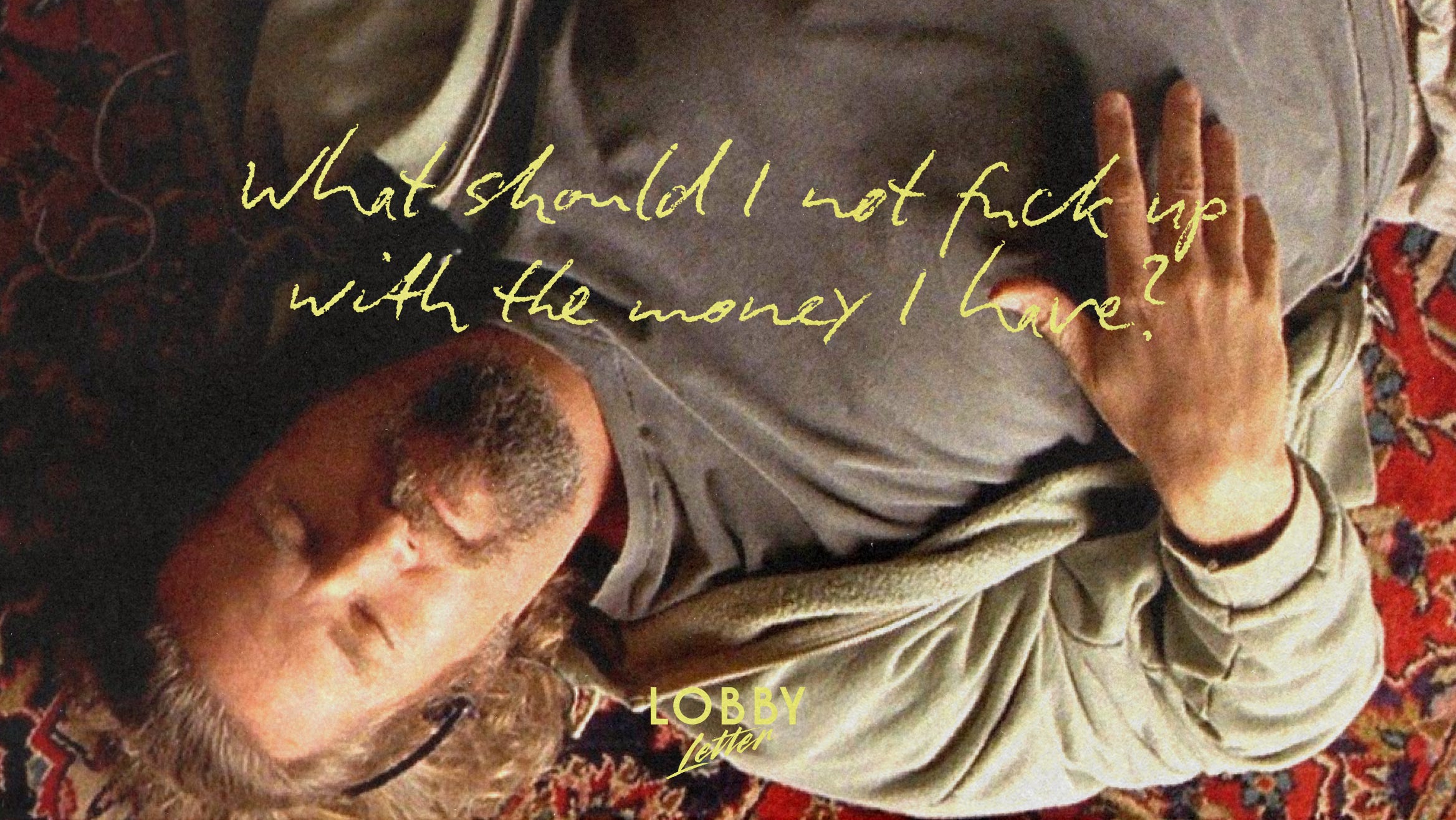
What should I not fuck up with the money I have?
That question is more useful.
Because a low budget can create a great place if the founder understands the trade. It means more time, more sourcing, more carrying, more painting, more learning, more doing things yourself, more weekends inside DIY stores pretending you know what a washer is.
A mid budget can be dangerous because it gives you enough money to spend badly, and just enough confidence to believe you are being strategic.
A high budget can be dangerous too. Different pain. You have more consultants, more options, more finishes, more meetings, more people using the word premium ;) while slowly removing every interesting edge from the project.
Every budget has a job.
Low budget needs focus and founder sweat.
Mid budget needs a bit of discipline.
High budget needs restrictions.
That’s probably the whole letter.
But let’s go deeper, because hospitality projects don’t burn money in the same way.
A house rental, a hotel, and a coffee shop are three very different animals. They don’t create value the same way. They don’t forgive mistakes the same way and they don’t ask the same thing from the founder.
A house rental can be built with a lot of taste, a lot of work, and a very clear promise. People are buying sleep, atmosphere, ease, and the fantasy of living inside another life for a few days.
A hotel is heavier. More staff, more systems, more rules, more rooms, more ways to lose money while looking busy. A hotel needs a machine behind the feeling.
A coffee shop is brutal in another way. Small tickets, tight margins, daily repetition, and the very romantic reality of someone asking for oat milk while you just pour regular one.
So this week, I want to talk about money but by format.
House rental. Hotel. Coffee shop.
Low, mid, high.
What to protect, to avoid and where to spend. What can be saved. Where we usually panic. Where we usually lie to ourselves. And where the money should go before it goes into another beautiful chair that nobody asked for, including the business model.
